
Introduction
If your physician has recommended a colonoscopy, your immediate reaction may be one of apprehension. The procedure sounds clinical, and it is often surrounded by misconceptions that cause unnecessary anxiety among patients.
The reality is that a colonoscopy is one of the safest, most effective, and most valuable diagnostic tools in modern gastroenterology. It is not only used to investigate symptoms such as rectal bleeding, abdominal pain, or changes in bowel habits, but it is also a critical preventive procedure capable of detecting colon cancer at an early, highly treatable stage.
This patient guide explains what a colonoscopy is, why it is recommended, how to prepare for it, and what to expect during and after the procedure. Patients referred to GI One Hospital and Institute of Gastroenterology in Chhatrapati Sambhajinagar are encouraged to read this guide in full before their appointment.
What Is a Colonoscopy?
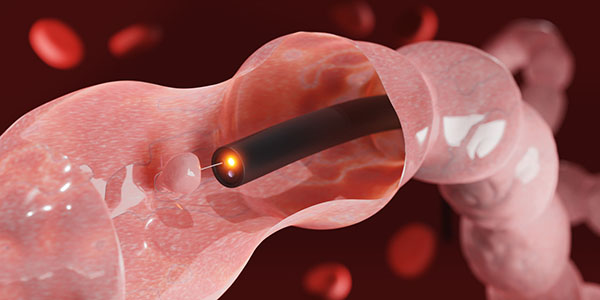
A colonoscopy is a minimally invasive diagnostic procedure that enables a gastroenterologist to examine the inner lining of the large intestine, which includes the colon and rectum. A thin, flexible tube called a colonoscope, fitted with a high-resolution camera and a light source, is gently guided through the rectum. The camera transmits real-time images to a monitor, allowing the physician to inspect the entire length of the colon in detail.
The procedure typically takes between 30 and 60 minutes. It enables the identification of abnormalities such as polyps, inflammation, ulcers, bleeding sources, and tumours. Importantly, when polyps are discovered during the procedure, they can in many cases be removed during the same session, eliminating the need for a separate surgical procedure.
How Is a Colonoscopy Different from an Endoscopy?
While both procedures use a flexible camera-equipped scope, they examine different anatomical regions.
- Upper GI endoscopy examines the oesophagus, stomach, and the upper portion of the small intestine (duodenum).
- Colonoscopy examines the large intestine (colon) and rectum.
The specific procedure recommended depends upon the patient’s symptoms and the region of the digestive system that requires investigation. A gastroenterologist will determine which procedure is clinically appropriate following a detailed evaluation.
Why Do Doctors Recommend a Colonoscopy?
Colonoscopy is indicated across a wide range of clinical situations, including:
- Unexplained rectal bleeding or the presence of blood in the stool
- Persistent changes in bowel habits, including prolonged diarrhoea or constipation
- Chronic abdominal pain or cramping that has not been explained by prior investigations
- Unexplained weight loss associated with digestive symptoms
- Iron-deficiency anaemia without an identified cause
- Routine colorectal cancer screening in adults aged 45 and above
- Surveillance in patients with a personal or family history of colon polyps or colorectal cancer
- Monitoring of patients diagnosed with inflammatory bowel disease (Crohn’s disease or ulcerative colitis)
According to the American Cancer Society, colorectal cancer is approximately 90% curable when detected at an early stage through routine screening, prior to the development of symptoms.
How to Prepare for a Colonoscopy
Preparation is a critical component of the colonoscopy process and directly determines the quality of the examination. Inadequate preparation may result in missed findings or require the procedure to be repeated. Your gastroenterologist at GI One Hospital will provide detailed, personalised preparation instructions.
Dietary Restrictions Before the Procedure
- Observe a low-fibre diet for two to three days prior to the procedure.
- Avoid whole grains, raw fruits, raw vegetables, seeds, and nuts during this period.
- On the day before the colonoscopy, consume only clear liquids: water, clear soups, coconut water, clear fruit juices without pulp, and black tea or coffee without milk.
- Dairy products and all solid foods must be avoided for at least 24 hours before the procedure.
Bowel Preparation Instructions
- A bowel preparation solution prescribed by your gastroenterologist must be consumed in the evening before and/or the morning of the procedure. This solution clears the colon entirely, ensuring clear visualisation during the examination.
- Follow the preparation instructions strictly and in the correct sequence provided.
- Maintain adequate hydration throughout the preparation process.
- Arrange for a responsible adult companion to escort you to and from the hospital, as sedation will be administered.
- Inform your doctor of all current medications. Certain blood-thinning agents and iron supplements may need to be paused temporarily before the procedure.
What Happens During a Colonoscopy Procedure?
Colonoscopy is performed in a dedicated endoscopy suite by an experienced gastroenterologist. The following outlines the sequence of events:
- Sedation: Intravenous sedation is administered to ensure patient comfort and relaxation throughout the procedure.
- Positioning: The patient lies in a comfortable position on their side.
- Scope insertion: The colonoscope is gently guided through the rectum and carefully advanced to the far end of the colon.
- Examination: The gastroenterologist examines the colonic lining in detail as the scope is slowly and systematically withdrawn.
- Intervention: If abnormal tissue, polyps, or suspicious areas are detected, a biopsy may be taken or the polyp removed immediately using instruments passed through the scope.
- Completion: The procedure concludes once the full examination is complete, typically within 30 to 60 minutes.
Is a Colonoscopy Painful?
The most frequently asked question prior to a colonoscopy is whether it is painful. For the vast majority of patients, the answer is no.
The combination of intravenous sedation and the expertise of the performing gastroenterologist ensures that the procedure is well tolerated. Patients may experience mild pressure, a sense of fullness, or transient bloating during the examination, but these sensations are temporary and not described as painful by most individuals.
At GI One Hospital, colonoscopies are performed exclusively by senior, DM-qualified gastroenterologists using the latest generation endoscopic systems, ensuring both diagnostic precision and the highest level of patient comfort.
What to Expect After a Colonoscopy
Following the procedure, the patient is monitored in a designated recovery area until the sedation has worn off. Most patients are ready to leave the hospital within one to two hours.
Post-procedure experiences may include:
- Mild bloating or flatulence for a few hours following the examination
- Mild fatigue attributable to sedation
- Minor spotting if a biopsy or polypectomy was performed
Dietary guidance following the procedure:
- Begin with light, easily digestible foods on the day of the procedure.
- Avoid spicy, fatty, or heavily seasoned food for the first 24 hours.
- Resume normal diet and daily activities from the following day, as advised by your doctor.
- Histopathology results for biopsies, where applicable, are typically available within five to seven working days.
Colonoscopy vs Other Diagnostic Tests: A Comparison
| Factor | Colonoscopy | CT Colonography | Faecal Occult Blood Test |
| Detects polyps | Yes | Yes | Limited |
| Removes polyps during procedure | Yes | No | No |
| Requires bowel preparation | Yes | Yes | No |
| Sedation required | Yes | No | No |
| Cancer detection accuracy | Very High (90%+) | High | Moderate |
| Recommended by gastroenterologists | Yes (gold standard) | Supplementary use | Initial screening only |
| Therapeutic capability | Yes | No | No |
Colonoscopy remains the gold standard for colorectal cancer screening and diagnosis due to its superior accuracy and the unique ability to perform therapeutic intervention during the same session.
Who Should Get a Colonoscopy and When?
Current clinical guidelines recommend:
- Adults aged 45 and above: Routine colonoscopy screening regardless of symptoms
- Adults with a family history of colorectal cancer or polyps: Screening from age 40, or 10 years before the age at which the youngest affected family member was diagnosed
- Patients with inflammatory bowel disease (IBD): Regular surveillance colonoscopy at intervals determined by the treating gastroenterologist
- Any adult presenting with rectal bleeding, unexplained anaemia, or significant changes in bowel habits: Colonoscopy at any age, without delay
Why Choose GI One Hospital for Colonoscopy in Chhatrapati Sambhajinagar
GI One Hospital and Institute of Gastroenterology, located at Amrut-Sai Solitaire, Near Goldie Cinema, Station Road, Chhatrapati Sambhajinagar, is a NABH-accredited super speciality hospital dedicated exclusively to the diagnosis and treatment of digestive system disorders.
Reasons to choose GI One Hospital:
- Dedicated team of senior DM-qualified gastroenterologists: Dr. Vaibhav S. Ganjewar (MD, DM), Dr. Ashok R. Mohite (MD, DM, DNB), and Dr. Vinay G. Zanwar (MD, DM, DNB)
- State-of-the-art endoscopy unit with the latest generation high-definition colonoscopes
- Comprehensive therapeutic capability: Polypectomy, biopsy, and intervention performed during the same session
- Structured rapid evaluation workflow ensuring efficient diagnosis and timely reporting
- 16-bed fully equipped ICU for complex cases requiring intensive monitoring
- Affordable and ethical care accessible to all sections of the community
- NABH accreditation confirming adherence to the highest national standards of patient safety
To book your colonoscopy at GI One Hospital, contact us at +91 9146035616 or visit gionehospital.com
Conclusion
A colonoscopy is not a procedure to fear. With proper preparation, an experienced gastroenterology team, and modern endoscopic equipment, it is safe, well tolerated, and clinically indispensable.
Whether you have been advised to undergo colonoscopy for the investigation of symptoms or as part of routine colorectal cancer screening, early action is always in your best interest. Delaying the procedure increases the risk of missing potentially serious conditions at a treatable stage.
GI One Hospital, the trusted gastroenterology hospital in Chhatrapati Sambhajinagar, provides expert colonoscopy services in a safe, professional, and patient-centred environment. Schedule your appointment today.
FREQUENTLY ASKED QUESTIONS (FAQs)
Q1: What is a colonoscopy used for?
A colonoscopy is used to examine the inner lining of the colon and rectum. It is used to investigate symptoms such as rectal bleeding, abdominal pain, and bowel habit changes, and as a routine screening tool for the early detection of colorectal cancer and polyps.
Q2: How long does a colonoscopy procedure take?
The procedure itself typically takes between 30 and 60 minutes. Including preparation, sedation, and post-procedure recovery, patients should expect to spend approximately three to four hours at the hospital on the day of the procedure.
Q3: Is a colonoscopy painful?
For the vast majority of patients, a colonoscopy is not painful. Intravenous sedation is administered beforehand, and most patients experience only mild pressure or a temporary sensation of bloating during the examination.
Q4: How do I prepare for a colonoscopy?
Preparation involves following a low-fibre diet for two to three days, a clear liquid diet on the day before the procedure, and consuming a prescribed bowel preparation solution to clear the colon completely. Your gastroenterologist will provide detailed instructions.
Q5: Can I eat before a colonoscopy?
Solid foods must be avoided for at least 24 hours before the procedure. On the day prior to colonoscopy, only clear liquids are permitted, including water, coconut water, clear soup, and black tea or coffee without milk.
Q6: What happens if a polyp is found during colonoscopy?
If a polyp is detected, the gastroenterologist can typically remove it immediately using instruments passed through the colonoscope. The removed tissue is sent for histopathological examination, and results are available within five to seven working days.
Q7: How often should I get a colonoscopy?
For average-risk adults with normal findings, colonoscopy is recommended every ten years from the age of 45. Patients with polyps, family history, or inflammatory bowel disease may require more frequent surveillance as directed by their gastroenterologist.
Q8: What are the risks of a colonoscopy? Colonoscopy is a very safe procedure. Rare complications include minor bleeding at the biopsy or polypectomy site and, very rarely, perforation of the colon. These risks are significantly minimised when the procedure is performed by experienced gastroenterologists using advanced equipment, as at GI One Hospital.
Q9: Can I drive home after a colonoscopy?
No. Sedation administered during the procedure impairs judgement and coordination for several hours. All patients must arrange for a responsible adult companion to escort them home following the procedure.
Q10: Why should I choose GI One Hospital for colonoscopy in Chhatrapati Sambhajinagar?
GI One Hospital offers a dedicated team of DM-qualified gastroenterologists, a state-of-the-art endoscopy unit with full therapeutic capability, NABH accreditation, and a structured diagnostic workflow, all supported by affordable, ethical, and patient-centred care.