Introduction
Jaundice is not a diagnosis. It is a clinical sign, one that demands urgent attention.
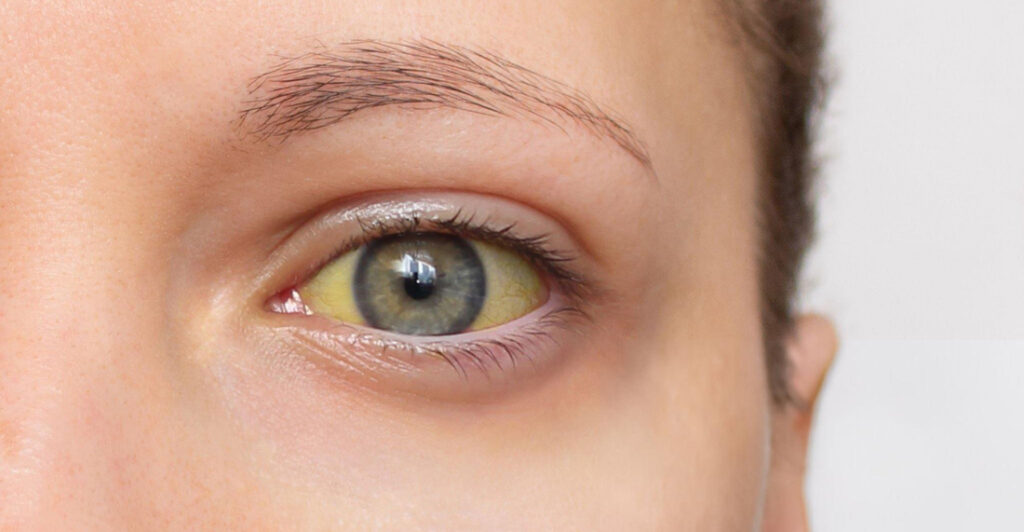
Characterised by the yellowing of the skin, the whites of the eyes, and the mucous membranes, jaundice is a visible manifestation of an elevated level of bilirubin in the bloodstream. In adults, it is always indicative of an underlying medical condition affecting the liver, bile ducts, or blood cells, and should never be attributed to dietary changes or dismissed as a self-resolving ailment.
In India, jaundice is among the most commonly encountered symptoms in gastroenterology practice. The country bears approximately 40% of the global burden of viral hepatitis B and C (World Health Organization), both of which are leading causes of jaundice and liver failure. In addition to viral hepatitis, gallstones, pancreatic disease, and alcoholic liver disease contribute significantly to the burden of jaundice seen at specialist centres across the country.
This article provides a detailed explanation of what jaundice is, how it develops, what causes it in adults, which warning signs require emergency evaluation, and how it is diagnosed and treated at a specialist gastroenterology hospital in Chhatrapati Sambhajinagar.
What Is Jaundice?
Jaundice is a medical condition in which abnormally elevated levels of bilirubin in the bloodstream cause visible yellow discolouration of the skin, the sclera (whites of the eyes), and mucous membranes. Bilirubin is a yellow pigment produced during the routine breakdown of ageing red blood cells.
How Does Jaundice Develop?
Under normal physiological conditions, bilirubin is transported to the liver, where it is processed, conjugated, and excreted into the intestinal tract via bile, ultimately leaving the body in the stool. Jaundice occurs when this process is disrupted:
- Pre-hepatic disruption: Excessive destruction of red blood cells produces more bilirubin than the liver can process, resulting in an unconjugated hyperbilirubinaemia.
- Hepatic disruption: Damaged or diseased liver cells are unable to conjugate and excrete bilirubin efficiently.
- Post-hepatic disruption: Obstruction of the bile ducts prevents conjugated bilirubin from being excreted, causing it to accumulate in the bloodstream.
Each type has distinct clinical features, causes, and treatment pathways.
Types of Jaundice in Adults
| Type | Location of Problem | Common Causes |
| Pre-hepatic (Haemolytic) | Before the liver | Haemolytic anaemia, malaria, sickle cell disease |
| Hepatic (Hepatocellular) | Within the liver | Viral hepatitis, alcoholic liver disease, cirrhosis, drug toxicity |
| Post-hepatic (Obstructive) | After the liver (bile ducts) | Gallstones, pancreatic cancer, bile duct strictures, cholangitis |
Correct identification of the type of jaundice is the first and most important step in guiding appropriate treatment.
Common Causes of Jaundice in Adults
The following are the most prevalent causes of jaundice in adult patients in India:
- Viral hepatitis (A, B, C, D, and E): Hepatitis A and E are transmitted through contaminated water and food and are particularly prevalent in India. Hepatitis B and C are blood-borne infections that can cause chronic liver disease and cirrhosis.
- Alcoholic liver disease: Chronic or excessive alcohol consumption causes progressive liver inflammation, leading to alcoholic hepatitis, fibrosis, and ultimately cirrhosis.
- Choledocholithiasis (common bile duct stones): Gallstones that migrate into and obstruct the common bile duct prevent the flow of bile and cause obstructive jaundice.
- Pancreatic conditions: Pancreatic cancer, acute pancreatitis, and pancreatic cysts can compress the bile duct, blocking biliary drainage.
- Drug-induced liver injury: Certain medications including antituberculosis drugs, certain antibiotics, antifungal agents, and herbal remedies can cause toxic hepatitis and resultant jaundice.
- Autoimmune hepatitis: An immune-mediated attack on liver cells causing chronic inflammation and progressive liver damage.
- Cirrhosis of the liver: Advanced fibrosis of the liver from any aetiology results in impaired bilirubin metabolism and frequently presents with jaundice.
- Malignant biliary obstruction: Bile duct cancer (cholangiocarcinoma) or cancer of the head of the pancreas causing obstruction of the common bile duct.
- Primary biliary cholangitis (PBC) and primary sclerosing cholangitis (PSC): Chronic inflammatory conditions affecting the bile ducts within and outside the liver.
Warning Signs That Require Immediate Medical Attention
The following symptoms, when accompanying jaundice, indicate a serious and potentially life-threatening condition. Patients presenting with any of the following must seek evaluation at a gastroenterology hospital without delay:
- Rapid onset of deep yellow discolouration developing over 24 to 48 hours
- High-grade fever with chills and rigors (indicating possible cholangitis or sepsis)
- Severe upper abdominal pain, particularly in the right hypochondrium
- Confusion, altered consciousness, or disorientation (signs of hepatic encephalopathy)
- Dark brown or tea-coloured urine
- Pale, clay-coloured, or acholic stools
- Significant abdominal distension due to fluid accumulation (ascites)
- Uncontrolled vomiting and inability to retain fluids
- Unexplained weight loss accompanying the onset of jaundice
- Easy bruising or bleeding tendencies
How Is Jaundice Diagnosed?
Accurate diagnosis of the underlying cause of jaundice is essential before initiating treatment. At GI One Hospital, the diagnostic evaluation follows a structured clinical protocol:
Laboratory Investigations:
- Liver function tests (LFT): Total and direct bilirubin, ALT, AST, ALP, GGT, serum albumin, and prothrombin time
- Complete blood count (CBC): To assess for haemolytic causes
- Viral hepatitis serology panel: Hepatitis A, B, C, D, and E markers
- Coagulation profile: Prothrombin time and INR
Imaging Studies:
- Ultrasound abdomen: First-line imaging to assess liver size, texture, gallbladder, bile ducts, and pancreas
- CT scan of the abdomen: For detailed evaluation of the liver, bile ducts, and pancreas
- MRCP (Magnetic Resonance Cholangiopancreatography): Non-invasive imaging of the biliary and pancreatic ductal systems
Advanced Endoscopic Assessment:
- Endoscopic Ultrasound (EUS): For detailed imaging of the bile ducts and pancreas from within the gastrointestinal tract
- ERCP (Endoscopic Retrograde Cholangiopancreatography): Both diagnostic and therapeutic for bile duct obstruction
Liver Biopsy: When indicated, to assess the degree of liver inflammation, fibrosis, or cirrhosis
Treatment Options for Jaundice
Treatment is directed exclusively at the underlying cause identified through diagnostic evaluation.
Medical Management
- Viral hepatitis A and E: Supportive care including rest, adequate hydration, and nutritional support. Most cases resolve with conservative management.
- Chronic hepatitis B and C: Antiviral therapy under specialist supervision. Direct-acting antivirals for hepatitis C achieve cure rates exceeding 95%.
- Alcoholic hepatitis: Complete and permanent alcohol abstinence, nutritional rehabilitation, and corticosteroid therapy in eligible patients.
- Drug-induced liver injury: Immediate discontinuation of the causative agent and supportive hepatic care.
- Autoimmune hepatitis: Immunosuppressive therapy with corticosteroids and azathioprine under specialist supervision.
Endoscopic and Surgical Intervention
- Bile duct stones (choledocholithiasis): Removed via ERCP, a minimally invasive endoscopic procedure that eliminates the need for open surgery in the majority of cases.
- Malignant biliary obstruction: Biliary stenting via ERCP to relieve obstruction, combined with oncology consultation for definitive management.
- Gallbladder and bile duct surgery: Laparoscopic cholecystectomy for gallbladder disease with bile duct involvement, or open surgery for complex cases.
GI One Hospital is equipped to perform ERCP, EUS, and the full spectrum of laparoscopic and open gastrointestinal surgical procedures.
Jaundice and Liver Disease: Understanding the Connection
Jaundice and liver disease are closely and fundamentally linked. Virtually every significant liver disease, including viral hepatitis, alcoholic liver disease, non-alcoholic fatty liver disease (NAFLD), and liver cancer, can cause jaundice at some stage of its progression. Conversely, jaundice can arise without primary liver disease, particularly in cases of bile duct obstruction caused by gallstones, pancreatic pathology, or malignancy.
Distinguishing between hepatocellular and obstructive jaundice is clinically critical, as the management pathways differ substantially. A liver function test pattern showing predominantly elevated direct bilirubin and alkaline phosphatase is characteristic of obstructive jaundice, while predominant elevation of transaminases (ALT and AST) suggests hepatocellular disease.
Patients with a prior diagnosis of fatty liver disease, chronic hepatitis, or liver fibrosis are at significantly elevated risk for developing jaundice and must undergo regular specialist monitoring.
Why Early Specialist Evaluation Is Critical
Untreated jaundice can progress rapidly to life-threatening complications. Obstructive jaundice, if not relieved promptly, leads to ascending cholangitis, a serious bile duct infection capable of causing septic shock and organ failure. Hepatocellular jaundice, if untreated in the setting of acute liver failure, carries a high mortality rate without prompt intervention.
Delays in diagnosis are among the most significant preventable risk factors for adverse outcomes in jaundice. Patients in Chhatrapati Sambhajinagar presenting with any degree of skin or scleral yellowing, dark urine, or pale stools should seek evaluation at GI One Hospital at the earliest opportunity, regardless of whether other symptoms are present.
Early evaluation enables accurate identification of the cause, prompt initiation of appropriate treatment, and prevention of potentially irreversible complications.
Why Choose GI One Hospital for Jaundice Treatment in Chhatrapati Sambhajinagar
GI One Hospital and Institute of Gastroenterology, located at Amrut-Sai Solitaire, Near Goldie Cinema, Station Road, Chhatrapati Sambhajinagar, is the most advanced and comprehensive centre for the diagnosis and treatment of digestive system disorders in Central Maharashtra.
Key reasons to choose GI One Hospital:
- Specialised team of senior DM-qualified gastroenterologists experienced in managing all forms and causes of jaundice, including complex hepatocellular, obstructive, and cholestatic presentations
- Comprehensive in-house diagnostics: Liver Fibroscan, ERCP, EUS, abdominal ultrasound, CT scan, and complete laboratory services
- ERCP capability for non-surgical removal of bile duct stones and biliary stenting in malignant obstruction cases
- 16-bed fully equipped ICU staffed round the clock by a dedicated intensivist team for critically ill patients with acute liver failure, cholangitis, or complicated cirrhosis
- NABH accreditation confirming compliance with the highest national standards of patient safety and clinical governance
- 24-hour emergency services for jaundice presentations requiring urgent investigation and intervention
- Affordable and ethical care for patients across all socioeconomic sections of the community
Contact GI One Hospital at +91 9146035616 or visit gionehospital.com to schedule a consultation.
Conclusion
Jaundice in adults is a clinical warning that demands prompt specialist attention. Whether caused by viral hepatitis, bile duct obstruction, alcoholic liver disease, or pancreatic pathology, the underlying condition requires accurate diagnosis and timely, appropriate treatment to prevent progression to life-threatening complications.
If you or a family member is experiencing yellowing of the skin or eyes, dark urine, pale stools, abdominal pain, or any of the emergency warning signs described in this guide, do not delay seeking care. GI One Hospital, the trusted gastroenterology hospital in Chhatrapati Sambhajinagar, offers the full spectrum of diagnostic and therapeutic services required to evaluate and treat all conditions that cause jaundice in adults.
FREQUENTLY ASKED QUESTIONS (FAQs)
Q1: What causes yellow eyes in adults?
Yellow eyes, known medically as scleral icterus, are caused by elevated bilirubin levels in the blood, a condition called jaundice. Common causes in adults include viral hepatitis, gallstones blocking the bile duct, liver cirrhosis, and alcoholic liver disease.
Q2: Is jaundice in adults serious?
Yes. Jaundice in adults is always a sign of an underlying medical condition and should be evaluated promptly by a gastroenterologist. It can indicate serious conditions including hepatitis, bile duct obstruction, liver failure, or pancreatic cancer.
Q3: What are the first signs of jaundice?
The earliest signs include yellowing of the sclera (whites of the eyes), followed by yellowing of the skin. Other early signs include dark urine, pale stools, fatigue, and loss of appetite.
Q4: Can jaundice in adults go away on its own?
Some mild cases of jaundice caused by viral hepatitis A or E may resolve with supportive care. However, jaundice due to bile duct obstruction, chronic hepatitis, or cirrhosis requires specialist medical or endoscopic treatment and will not resolve without intervention.
Q5: What foods should be avoided in jaundice?
Patients with jaundice should avoid alcohol completely, reduce intake of fatty and fried foods, avoid raw or undercooked shellfish, and limit processed foods. A gastroenterologist will provide specific dietary guidance based on the underlying cause.
Q6: How is obstructive jaundice treated?
Obstructive jaundice caused by bile duct stones is most commonly treated with ERCP (Endoscopic Retrograde Cholangiopancreatography), a minimally invasive procedure that removes the obstruction without requiring open surgery. Malignant obstruction may require biliary stenting or surgical bypass.
Q7: What blood tests are done for jaundice?
The standard diagnostic workup includes liver function tests (total and direct bilirubin, ALT, AST, ALP, GGT, albumin), complete blood count, viral hepatitis markers, and coagulation studies including prothrombin time and INR.
Q8: Can jaundice cause liver failure?
Jaundice caused by severe viral hepatitis, drug-induced liver injury, or acute-on-chronic liver failure can progress to acute liver failure if not treated promptly. This is a medical emergency requiring ICU-level care.
Q9: How long does jaundice take to resolve with treatment?
Recovery depends entirely on the underlying cause and its severity. Jaundice due to hepatitis A may resolve in two to six weeks with supportive care. Obstructive jaundice typically improves within days of successful ERCP. Jaundice due to cirrhosis or malignancy requires ongoing management.
Q10: Why should I choose GI One Hospital for jaundice treatment in Chhatrapati Sambhajinagar?
GI One Hospital offers DM-qualified gastroenterologists, in-house ERCP capability, Liver Fibroscan, a 16-bed ICU for critical cases, NABH accreditation, and 24-hour emergency services. It is the most comprehensively equipped gastroenterology hospital in Central Maharashtra for the evaluation and treatment of jaundice.