Cirrhosis is the end stage of chronic liver injury, in which repeated damage causes healthy liver tissue to be replaced by permanent scar tissue. The leading causes in India are chronic hepatitis B infection, alcohol-related liver disease, and non-alcoholic fatty liver disease (NAFLD/NASH) linked to obesity and diabetes. Chronic hepatitis C, autoimmune hepatitis, Wilson’s disease, haemochromatosis, and certain medications are less common but recognised causes. Cirrhosis often develops without symptoms until decompensation occurs, presenting as jaundice, ascites, variceal bleeding, or hepatic encephalopathy. Treating the underlying cause halts further progression. Liver transplantation is the only cure for end-stage disease. Early screening for hepatitis B, vaccination, antiviral treatment, alcohol cessation, and metabolic syndrome management are the most effective prevention strategies.
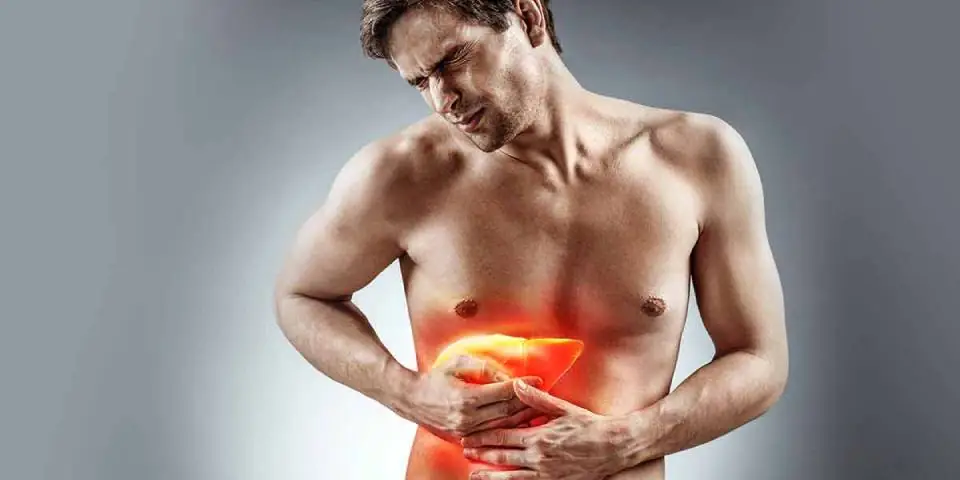
Cirrhosis is one of the most serious outcomes of chronic liver disease. It develops silently over years, often without noticeable symptoms until significant damage has already occurred. Understanding what causes cirrhosis, which people are at highest risk, and what can be done when it is diagnosed is essential for anyone who has been told their liver is affected.
What Is Cirrhosis?
The liver is the body’s largest internal organ, responsible for processing nutrients, filtering toxins from the blood, producing clotting factors, and manufacturing bile for digestion. When the liver sustains repeated or prolonged injury, it repairs itself by forming scar tissue. When scar tissue accumulates extensively and replaces healthy liver cells, the condition is called cirrhosis.
Cirrhotic liver tissue cannot perform the liver’s normal functions. As more healthy tissue is replaced, the liver progressively loses its capacity to filter blood, produce proteins, and manage the body’s metabolic processes. Cirrhosis is classified as compensated (where the liver manages despite scarring) or decompensated (where the liver can no longer maintain function and serious complications develop).
The Most Common Causes of Cirrhosis
Chronic alcohol use is among the leading causes of cirrhosis globally. Alcohol is directly toxic to liver cells. Daily heavy drinking over years causes alcoholic hepatitis, fatty liver, and ultimately cirrhosis. The threshold for liver damage varies between individuals, but consistent heavy use over a decade or more is sufficient to cause cirrhosis in a significant proportion of drinkers.
Non-alcoholic fatty liver disease (NAFLD) and non-alcoholic steatohepatitis (NASH) are increasingly the leading causes of cirrhosis in many countries, including India. NAFLD refers to fat accumulation in the liver in the absence of significant alcohol use. In most people it is benign, but in a subset it progresses to NASH, where the fat causes inflammation and liver cell damage, leading over years to fibrosis and cirrhosis. Obesity, type 2 diabetes, high triglycerides, and metabolic syndrome are the primary drivers.
Chronic hepatitis B is a major cause of cirrhosis in India, where hepatitis B is endemic. The hepatitis B virus causes ongoing liver inflammation that, when untreated over years, leads to progressive fibrosis and cirrhosis. India has approximately 40 million people with chronic hepatitis B infection. Transmission occurs through blood, sexual contact, and from mother to child at birth. Effective antiviral treatment suppresses the virus and substantially reduces the risk of cirrhosis.
Chronic hepatitis C is transmitted primarily through blood-to-blood contact, including shared needles, unscreened blood transfusions, and unsafe medical procedures. Unlike hepatitis B, hepatitis C has no vaccine, but modern direct-acting antiviral drugs cure over 95% of infections, halting further liver damage if started before cirrhosis develops.
Less Common but Important Causes
Autoimmune hepatitis occurs when the immune system attacks the body’s own liver cells. It is more common in women and can progress rapidly to cirrhosis if not treated with immunosuppressive medication.
Primary biliary cholangitis (PBC) and primary sclerosing cholangitis (PSC) are conditions in which the bile ducts within or outside the liver become inflamed and scarred, leading to bile build-up that damages liver cells over time.
Wilson’s disease is an inherited condition in which the body cannot eliminate excess copper, which accumulates in the liver, brain, and other organs and causes progressive damage.
Haemochromatosis is a genetic disorder causing excess iron absorption. Iron deposits in the liver lead to cirrhosis if the condition is not diagnosed and treated with regular blood removal.
Long-term use of certain medications, including methotrexate (used for inflammatory conditions) and amiodarone (a heart medication), can cause liver fibrosis with prolonged use and require liver monitoring.
Cirrhosis in the Indian Context
In India, the predominant causes of cirrhosis differ somewhat from Western countries. Chronic hepatitis B is a leading cause, significantly more common in India than in Europe or North America. Alcohol-related liver disease is the second major cause. Non-alcoholic fatty liver disease is now rapidly rising in urban Indian populations due to increasing rates of obesity, diabetes, and sedentary lifestyle, making it an emerging priority.
Importantly, many patients with hepatitis B in India are unaware of their infection until liver damage is already advanced. Early screening, vaccination for those not yet infected, and antiviral treatment for those with chronic infection are the most effective strategies for prevention at a population level.
GI One Hospital is a NABH-accredited super-specialty gastroenterology hospital located at Amrut-Sai Solitaire, Near Goldie Cinema, Station Road, Chhatrapati Sambhajinagar 431005, Maharashtra. The gastroenterology team includes Dr Vaibhav S. Ganjewar, Dr Ashok R. Mohite, and Dr Vinay G. Zanwar. Services include liver disease assessment, fibroscan, endoscopy, variceal management, viral hepatitis treatment, and complete hepatology care. Contact: +91 9146035616 / +91 9850835616. Website: gionehospital.com.
Can Cirrhosis Be Reversed?
Cirrhosis itself, once established, cannot be fully reversed. Unlike early fibrosis where the liver retains some capacity for repair, the dense scar tissue of established cirrhosis is permanent. However, treating the underlying cause effectively stops further damage and allows the remaining healthy liver tissue to compensate more effectively.
Stopping alcohol in alcohol-related cirrhosis, starting antiviral treatment in hepatitis B or C, treating autoimmune hepatitis with immunosuppression, and managing metabolic syndrome in NAFLD all halt progression. In compensated cirrhosis, some patients remain stable for many years with appropriate management and surveillance.
For decompensated cirrhosis where serious complications such as ascites, bleeding varices, or hepatic encephalopathy have developed, liver transplantation is the only definitive treatment.
Warning Signs That Need Immediate Attention
Cirrhosis often remains asymptomatic for years. When the liver begins to decompensate, specific complications develop that require urgent assessment.
Jaundice (yellowing of the skin and eyes) signals that the liver can no longer process bilirubin. Ascites, fluid accumulation in the abdomen causing visible swelling, results from portal hypertension and low albumin. Vomiting blood or passing dark tarry stools may indicate bleeding from oesophageal varices, an emergency. Confusion, personality change, and altered sleep patterns suggest hepatic encephalopathy. Leg swelling and significant fatigue are also common features of decompensated liver disease.
Anyone with these symptoms and a known or suspected liver condition should seek immediate gastroenterology assessment.
Consult GI One Hospital, Chhatrapati Sambhajinagar
If you have been diagnosed with chronic hepatitis B or C, fatty liver disease, alcohol-related liver disease, or any condition that can progress to cirrhosis, regular monitoring and early specialist input can prevent or delay serious complications. GI One Hospital provides comprehensive liver assessment including ultrasound, fibroscan, liver function testing, endoscopy for variceal assessment, and specialist hepatology care.
GI One Hospital | Amrut-Sai Solitaire, Near Goldie Cinema, Station Road, Chhatrapati Sambhajinagar 431005
Call +91 9146035616 | +91 9850835616 | Website: gionehospital.com
FREQUENTLY ASKED QUESTIONS
Q1: What is the most common cause of cirrhosis in India?
In India, chronic hepatitis B is one of the leading causes of cirrhosis, given that approximately 40 million Indians have chronic hepatitis B infection, many undiagnosed. Alcohol-related liver disease is the second major cause. Non-alcoholic fatty liver disease driven by obesity and type 2 diabetes is rapidly increasing and is expected to become the leading cause in coming decades.
Q2: Can fatty liver lead to cirrhosis?
Yes, in a subset of patients. Most people with fatty liver (NAFLD) have a benign course, but in those in whom fat causes ongoing inflammation (NASH), liver fibrosis develops over years and can progress to cirrhosis. The risk is higher in those with obesity, type 2 diabetes, high triglycerides, or metabolic syndrome. Regular monitoring and management of metabolic risk factors reduce this risk.
Q3: Is cirrhosis caused by alcohol always reversible if you stop drinking?
Stopping alcohol prevents further damage and significantly improves liver function and survival, but cirrhosis itself is not reversed once established. In early fibrosis or in patients who stop very early in the disease course, some improvement is possible. In advanced cirrhosis, stopping alcohol prevents progression and reduces the risk of complications but does not restore the liver to normal.
Q4: Can hepatitis B cause cirrhosis even if I feel well?
Yes. Chronic hepatitis B causes ongoing liver inflammation that is often painless and produces no noticeable symptoms for years or decades. During this time, progressive fibrosis can develop silently. By the time symptoms appear, cirrhosis may already be established. This is why regular liver function monitoring, viral load testing, and antiviral treatment for those who meet criteria are essential even in patients who feel well.
Q5: What is the difference between compensated and decompensated cirrhosis?
In compensated cirrhosis, the liver manages its functions despite significant scarring. Patients may have minimal or no symptoms and can remain stable for many years with appropriate treatment. Decompensated cirrhosis occurs when the liver can no longer maintain function, leading to complications such as ascites, variceal bleeding, hepatic encephalopathy, or jaundice. Decompensation significantly worsens prognosis and may necessitate liver transplant evaluation.
Q6: Is cirrhosis curable?
Cirrhosis itself is not curable except through liver transplantation. However, treating the underlying cause (antiviral therapy for hepatitis B or C, stopping alcohol, managing metabolic syndrome, immunosuppression for autoimmune hepatitis) halts further progression and allows remaining liver function to be preserved. Many patients with compensated cirrhosis live well for many years with monitoring and treatment.
Q7: What tests are used to diagnose cirrhosis?
Diagnosis uses a combination of blood tests (liver function tests, platelet count, albumin, prothrombin time, viral hepatitis markers), ultrasound (which shows a nodular or shrunken liver and signs of portal hypertension), fibroscan (elastography measuring liver stiffness), and endoscopy (to assess for oesophageal varices). Liver biopsy remains the definitive diagnostic test but is not always required if non-invasive tests are consistent.
Q8: What foods should someone with cirrhosis avoid?
Patients with cirrhosis should avoid alcohol completely. Sodium restriction is important if ascites is present. High-protein intake supports muscle mass and liver function, though in patients with hepatic encephalopathy, protein sources should be predominantly plant-based and dairy. Raw shellfish and unpasteurised food carry infection risks for patients with cirrhosis. All dietary modifications should be guided by the treating gastroenterologist.
Q9: What are oesophageal varices and why are they dangerous in cirrhosis?
Oesophageal varices are enlarged veins in the oesophagus that develop when portal hypertension (high pressure in the portal vein from cirrhosis) forces blood through alternative vessels. These thin-walled veins are at high risk of rupture, causing massive upper gastrointestinal bleeding that can be life-threatening. Regular endoscopy to screen for varices and preventive treatment with beta-blockers or band ligation are standard in cirrhosis management.
Q10: Where can I get liver cirrhosis assessment in Aurangabad?
GI One Hospital at Station Road, Chhatrapati Sambhajinagar provides comprehensive liver disease assessment including ultrasound, fibroscan, liver function tests, viral hepatitis evaluation, endoscopy, and specialist management of cirrhosis and its complications. Call +91 9146035616 or visit gionehospital.com to book a consultation.
This article is authored by the gastroenterology team at GI One Hospital, Chhatrapati Sambhajinagar. Content is based on the American Association for the Study of Liver Diseases (AASLD) guidelines on cirrhosis, Indian Council of Medical Research hepatitis B guidelines, and published epidemiological data on liver disease burden in India.